Podcasts have emerged as one of the most popular forms of media, with millions of podcasts produced globally and hundreds of millions of listeners worldwide. Despite their popularity, most podcasts fizzle soon after their first episode. Around 90% of podcasters quit before getting to episode three, according to Podnews. Of the 10% that make it past a few episodes, more than 90% don’t make it past 20.
Michael Oved ’25 was aware of these statistics when, as a junior at Harvard College, he launched “30 Years in 30 Minutes,” a podcast where successful founders share advice they wish they had when they were starting their careers. Less than two years since airing the first episode with Nextdoor Founder Sarah Leary ’94, “30 Years and 30 Minutes” has featured prominent entrepreneurs across industries — from Zillow Founder Spencer Rascoff ’97 to TripAdvisor Founder Stephen Kaufer ’84 to Moderna Founder Robert Langer. The podcast has racked up millions of listens, and by all measures has been a significant success. Oved added, “It’s become a go-to for aspiring entrepreneurs still in college or recently graduated from college looking for real insight from those who have made it — raw, honest, and fast.”
Three months after graduating from Harvard, Oved reflected on how he came up with the idea for the podcast, his approach to making it stand out, and his plans for the future.
Entrepreneurship summit sparks startup idea
When Oved came to Harvard as a first year in fall 2021, he wanted to take full advantage of everything he could experience at the University.
“I began exploring every club that I had even a small interest in,” he reflected. “I found myself running from meeting to meeting trying to learn as much as I could about all the different industries and career paths, and one of the clubs that stuck with me was the Harvard Venture Capital Group (VCG).”
Oved’s interest in entrepreneurship and getting more involved with VCG deepened during a summer in Barcelona after his first year, where he interned at a property technology startup. He was struck by all the startup conferences in the city, and wondered, "Why can't we bring conferences like this to Harvard?” This sparked the idea for founding what would become the Harvard Venture Capital Entrepreneurship Summit.
That summer, Oved began fundraising for the inaugural summit, lining up speakers, finding the right event space, and more. Each planning activity required sending “thousands of cold emails” — and receiving countless rejections.
Oved’s perseverance soon paid off. “By the end of the summer, we raised around $30,000 for the summit,” he shared, “and by January, we raised around $50,000.” Additionally, Oved and his team lined up close to 50 speakers for breakout sessions, as well as four keynote speakers, including the founders of Nextdoor, Kayak, Toast, and New Enterprise Associates. When he hosted the summit in March of his sophomore year, more than 350 people attended. In the years since, it’s become one of the largest collegiate entrepreneurship conferences in the United States.
Soon after the summit, Oved remembered thinking, “I looked at the success we had, and I said, ‘How can I make this permanent? How can I platform the ideas of entrepreneurs like this and bring them outside of the Harvard ecosystem? How can I democratize access to the world’s greatest entrepreneurs for others my age to reap the benefits of their advice?’”

18-months from idea to launch
When Oved decided to pursue a podcast, one of the first things he did was “connect with every person I could find on LinkedIn who had a podcast, and ask their advice on how to build and grow one.” He recalled that most tried to dissuade him, telling him the odds of success were extremely low. Undeterred, Oved spent more than a year doing market research, identifying his unique angle, and lining up top-tier guests before the first episode even aired.
While many podcasts feature interviews with successful leaders, few go beyond biography, explained Oved, adding, “I think there's value in hearing a leader’s story, but there is significantly more value in understanding why and how they made the choices they did. The purpose of the podcast is to democratize access to these leaders — and more importantly, democratize access to the lessons that they've learned — in a concise way.”
Oved wanted to ensure the podcast was something that people could listen to “in minutes rather than hours...on their morning walk or as they’re picking up their morning coffee.” The name “30 Years in 30 Minutes” communicates that it's a “short, show-stopping, day-altering podcast.”
After deciding on a name, concept, and duration, Oved turned his attention to the next big challenge: booking guests. He contacted some of the keynote speakers from the first Harvard Venture Capital Entrepreneurship Summit. Nextdoor Co-Founder Sarah Leary agreed, as did KAYAK Founder Paul English. With those early commitments secured, he began cold emailing in earnest.
Oved also sought out opportunities to hone his interviewing and storytelling skills. Over the next two years, Oved ran dozens of events with high-profile speakers, including PayPal Founder Peter Thiel and investor Gerald Chan. Through moderating most of these events himself, he refined the interview style that would become a defining feature of “30 Years in 30 Minutes” — listening intently, asking sharp follow-ups, and drawing out unexpected insights.


Recording at the Harvard i-lab and growing an audience
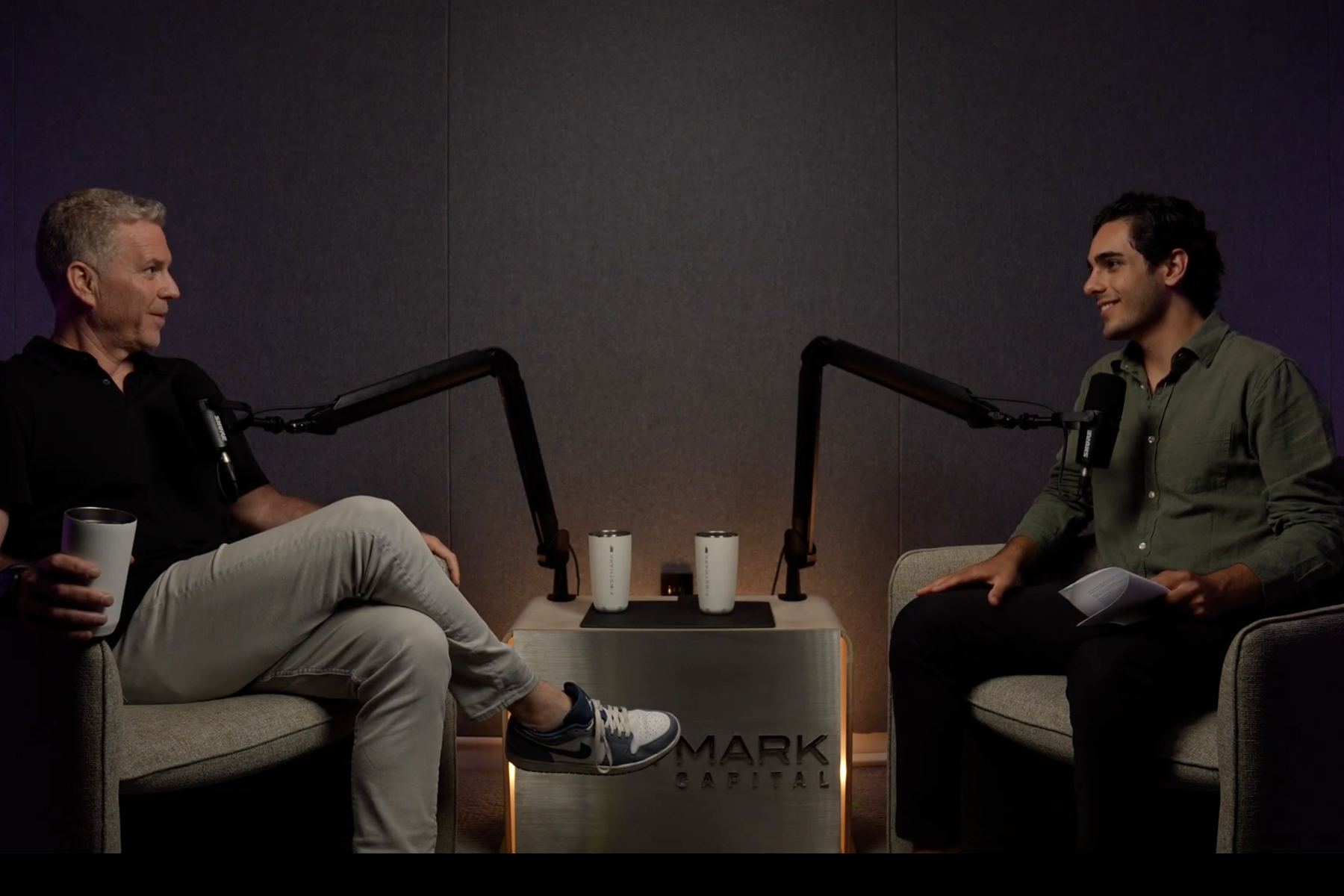
At the start of his senior year, Oved began recording “30 Years in 30 Minutes” in the media studio at the Harvard Innovation Labs, which he described as the ideal environment for working on the podcast:
“Being at the i-lab is incredibly inspiring. Everywhere you look, people are building, creating, and chasing their own ideas. You can almost feel the entrepreneurial spirit in the air. It’s like ideas are buzzing through the room, sparking in every corner. It’s an amazing environment to be part of.”
All of Oved’s planning and preparation led to significant early success for “30 Years in 30 Minutes.” During his senior year, one episode crossed a million views, a milestone he still remembers vividly. “When I started the podcast, my goal was to reach students in the Boston area who didn’t have access to the kinds of speakers we have [at Harvard],” he recalled. “But hitting a million views on a single episode made me realize this podcast had grown far beyond what I ever imagined.”

From podcast to platform: building a global community
Since graduating in May 2025, Oved’s been focused on growing the reach of “30 Years in 30 Minutes” and ensuring that the foundation is in place for the podcast to thrive “for years to come.”
This summer, he began recording his first in-person episodes and branching into new media formats. “We just launched 30 Years and 30 Words, a daily LinkedIn series that shares 30 inspirational words from a founder guest,” Oved said. “We're also rolling out 30 Years and 30 Seconds, partnering with industry experts to break down complex concepts in under half a minute.”
Beyond the podcast’s growth in format and reach, Oved sees its greatest achievement as the global community of entrepreneurs it’s creating, the Founder’s Circle. Hundreds of listeners — from college students to early-stage founders — have already joined, many of whom Oved has personally connected with mentors, venture capitalists, and other resources to help them grow.
While Oved continues refining and growing the “30 Years in 30 Minutes” brand, one thing remains constant: Every episode ends with a signature series of rapid-fire questions, including his favorite: “Based on all your experiences, if you were speaking to an aspiring entrepreneur directly, what advice would you give them?” It was only fitting to end our interview with a similar question around what advice he’d give to aspiring student founders working on podcasts or other forms of media. He shared:
“Focus on the content. It's easy to get caught up in the numbers, the gear, the branding. But none of that matters if the heart of what you’re creating is not extraordinary. The reason “30 Years in 30 Minutes” has grown into a global community is because the content resonates. Build something worth listening to, worth sharing, worth remembering — and everything else will follow.”